The short answer
Choose a fiber laser from the metal, thickness and sheet size you cut most, then compare cutting speed at that thickness. The cut chart lists maximum thicknesses by material and power from 3-40 kW. Use those listed limits to narrow the choice, then review edge finish, part shape and loading time with an engineer.
Start with your daily parts
List your metal grades, common thicknesses and sheet sizes. Add the number of parts you need per shift and the edge finish the next step needs. Size the laser around that work before allowing for occasional heavier jobs.
Power affects the cut, while table size decides which sheets and parts fit. A larger bed does not by itself let you cut thicker metal.
Check the listed thickness limit for each power
The table below shows the thickest row with a cutting speed listed in the cut chart. All thicknesses are in millimeters. A blank speed at a thicker row is not evidence that the machine can cut it.
These are chart limits, not a promised daily working thickness or edge finish. At the top of a range, cutting may be much slower. The chart ends at 50 mm for carbon steel and 30 mm for stainless steel and aluminum.
| Laser power | Carbon steel max. listed (mm) | Stainless steel max. listed (mm) | Aluminum max. listed (mm) |
|---|---|---|---|
| 3 kW | 20 | 12 | 6 |
| 6 kW | 30 | 16 | 16 |
| 12 kW | 40 | 30 | 25 |
| 20 kW | 50 | 30 | 30 |
| 30 kW | 50 | 30 | 30 |
| 40 kW | 50 | 30 | 30 |
Compare speed on the thickness you run most
A laser may cover your thickness range yet take too long on your main jobs. Compare the row for your daily stock. The table below gives reference cutting speeds for 10 mm material in meters per minute.
These values come from the cut chart. Grade, assist gas and setup affect the real speed. Piercing, corners and moves between cuts also affect total part time.
| Power | 10 mm carbon steel (m/min) | 10 mm stainless steel (m/min) | 10 mm aluminum (m/min) |
|---|---|---|---|
| 3 kW | 1.4-1.6 | 0.4-0.6 | Not listed |
| 6 kW | 2-2.4 | 1.5-2.5 | 1.5-2 |
| 12 kW | 6-6.5 | 6-6.5 | 4-6 |
| 20 kW | 9-12 | 10-12 | 9-10 |
| 30 kW | 14-16 | 13-16 | 10-12 |
| 40 kW | 14-17 | 16-21 | 11-13 |
Match the bed and loading to the cut
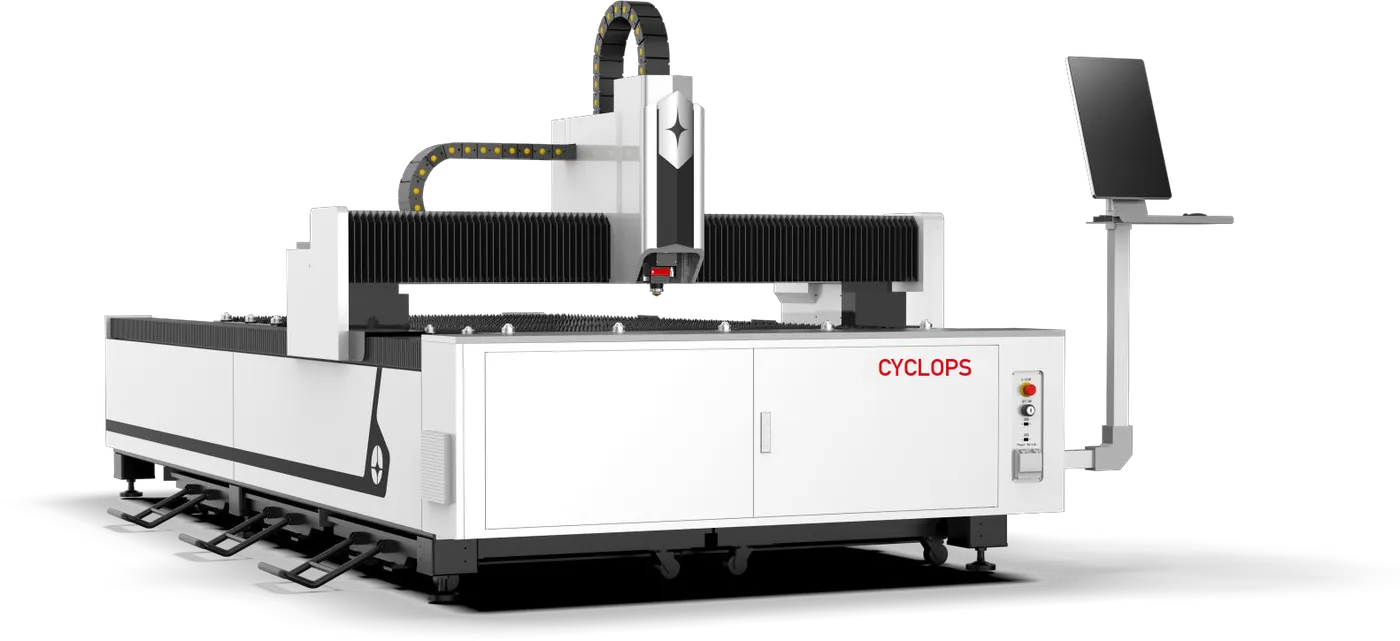
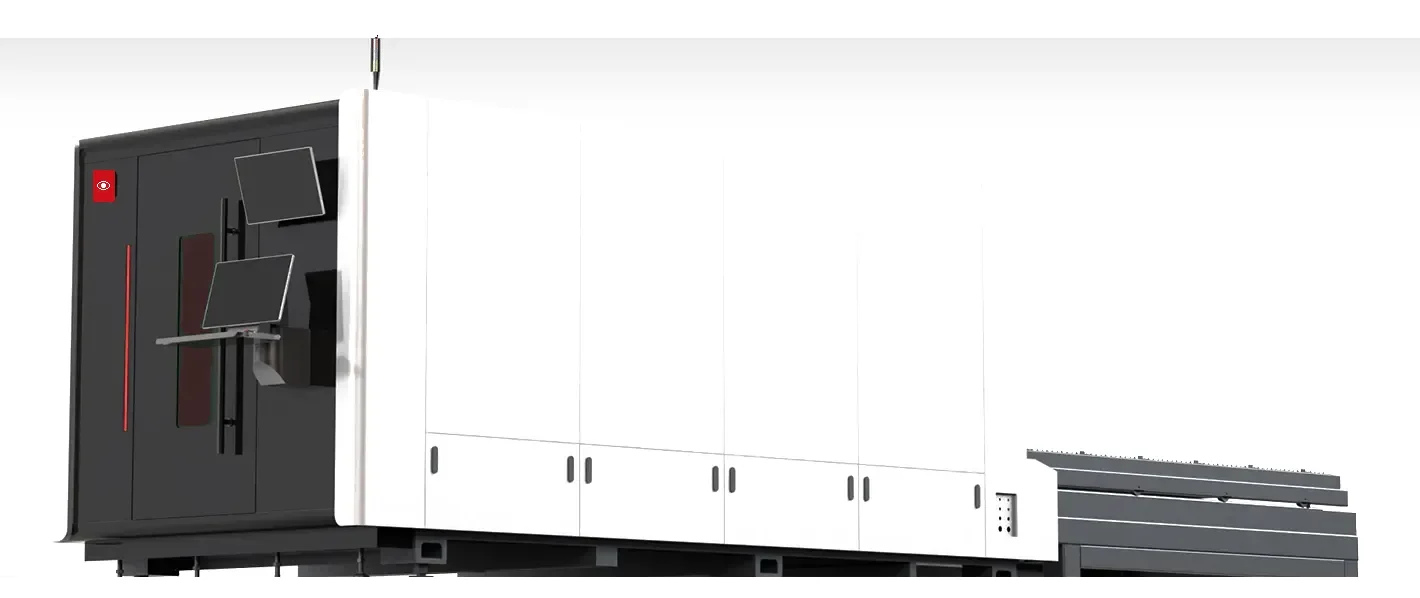
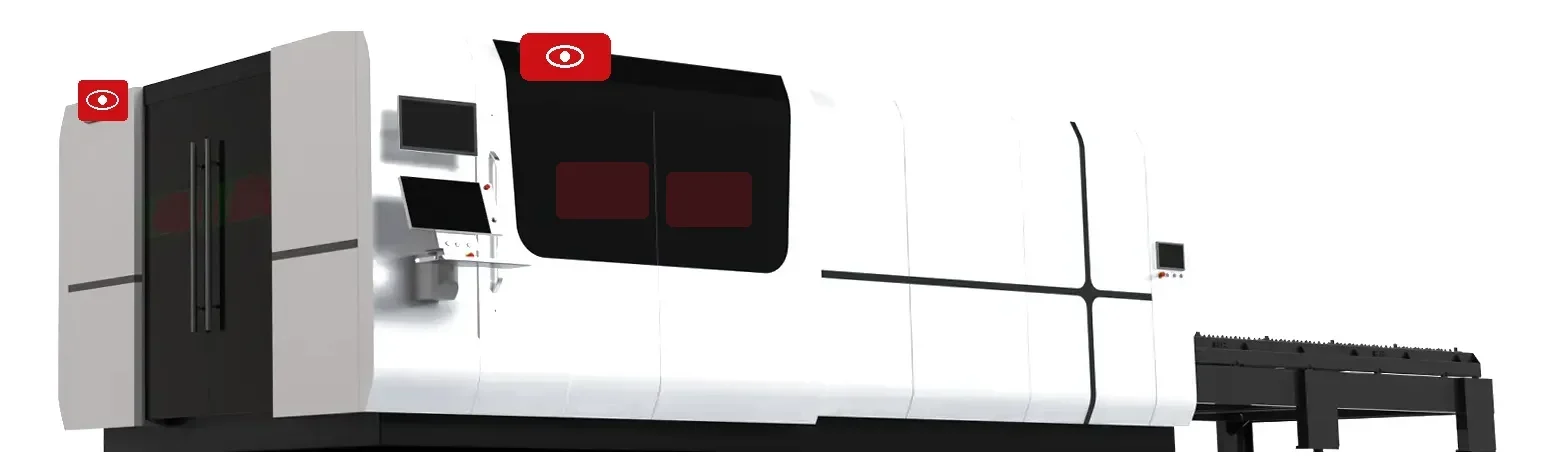
FORGE 3015 and TITAN 3015 each list a 3050 × 1530 mm work area and 1.5-20 kW. FORGE gives open-bed access. TITAN uses enclosed shuttle tables so loading can take place during cutting.
BRONTES 3015 offers 6-40 kW on a 3060 × 1550 mm work area. Its 200 m/min running speed describes motion, not the cutting speed of thick plate. Plan loading and unloading so faster cutting has a chance to raise output.
Review the full setup before choosing power
Share your shop voltage, floor plan and material list with an engineer. Review the air compressor, dust collector, chiller and transformer needs alongside the machine. Manuals, wiring diagrams and cut tables ship with it.
The cut chart does not list speeds for every available power, including 1.5 kW and 60 kW. Ask for a job review where data is not listed. Warranty is 3 years on lasers above 12 kW and 2 years at 12 kW and below.