The short answer
Choose fiber laser for detailed sheet and plate parts where a narrow cut and less edge cleanup matter. Plasma suits metal work that can accept a wider cut and more cleanup. Waterjet suits parts that need cutting without heat, though it is often slower than laser on sheet metal.
Choose from the finished part
Start with the drawing and the next step. Small holes, tight shapes and edges that go straight to welding or forming can favor fiber laser. Compare the cut width, known as kerf, and the work needed to meet the final edge requirement.
If the part cannot accept a heat-affected edge, waterjet is worth a closer look. For less detailed metal work that allows more edge cleanup, plasma may fit the job.
Compare the processes side by side
These are general process differences, not fixed results for every machine or material. Cut settings, stock and the required finish can change the best choice.
| Buying question | Fiber laser | Plasma | Waterjet |
|---|---|---|---|
| Cut width | Typically narrower than plasma | Typically wider than laser | Depends on nozzle and setup |
| Heat at the edge | Localized heat | Broader heat effect in many jobs | Cuts without a heat-affected zone |
| Edge cleanup | Often less dross than plasma | Often more dross to remove | May need finish work for taper or texture |
| Fine sheet details | Often a strong fit | Wider kerf can limit fine details | Can cut details with suitable settings |
| Sheet cutting pace | Often faster than waterjet | Depends on material and setup | Often slower than laser |
Count work after the cut
A fast cut helps most when the edge is ready for the next step. Plasma often leaves more dross than laser, which can add grinding. Laser edges may also need cleanup, depending on the gas, material and weld or coating needs.
Waterjet avoids a heat-affected zone, but the cut may still show taper or surface texture. Review the finished edge instead of treating any process as a promise of ready-to-use parts.
Compare cutting time with handling time
Use the fiber laser cut chart for reference speeds at your material and thickness. Keep those speeds separate from machine running speed. A nest also includes pierces, corners and travel between parts.
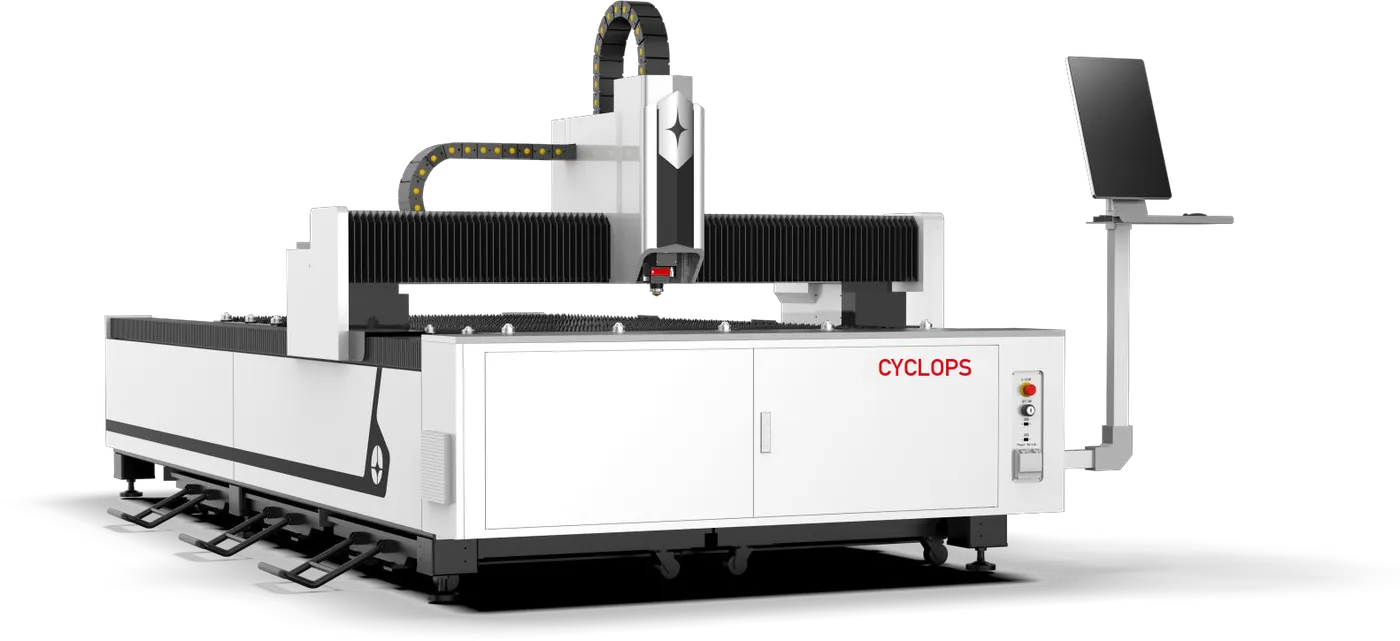
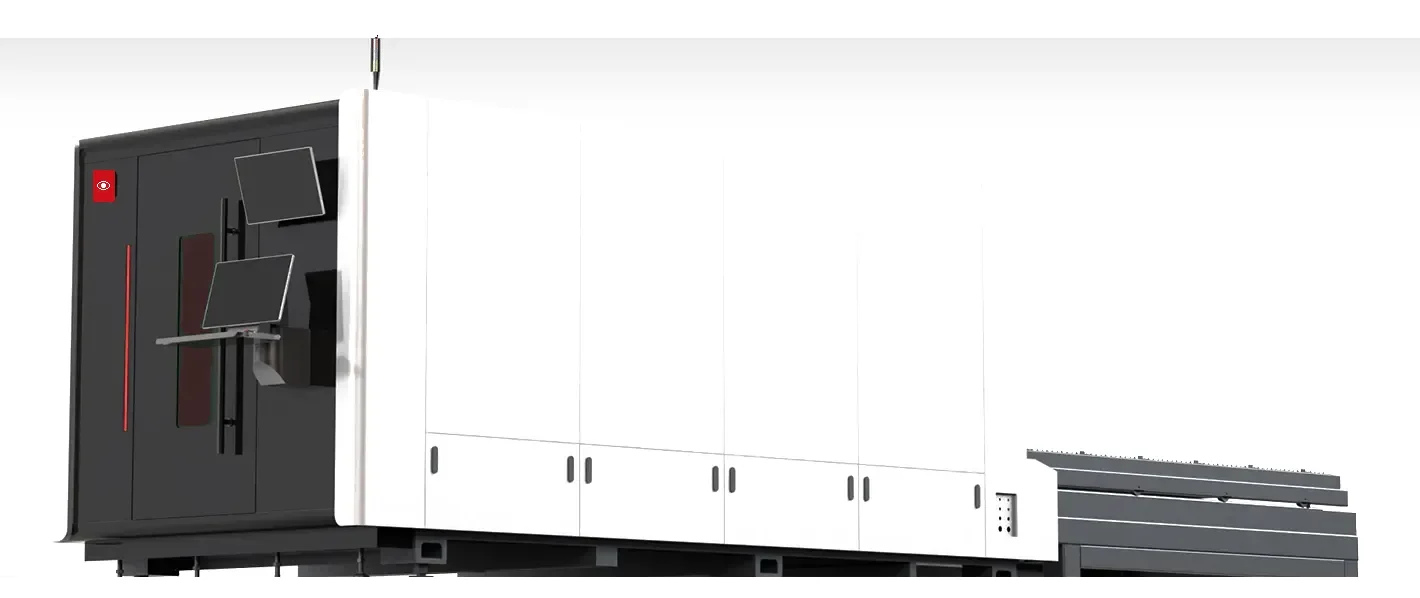
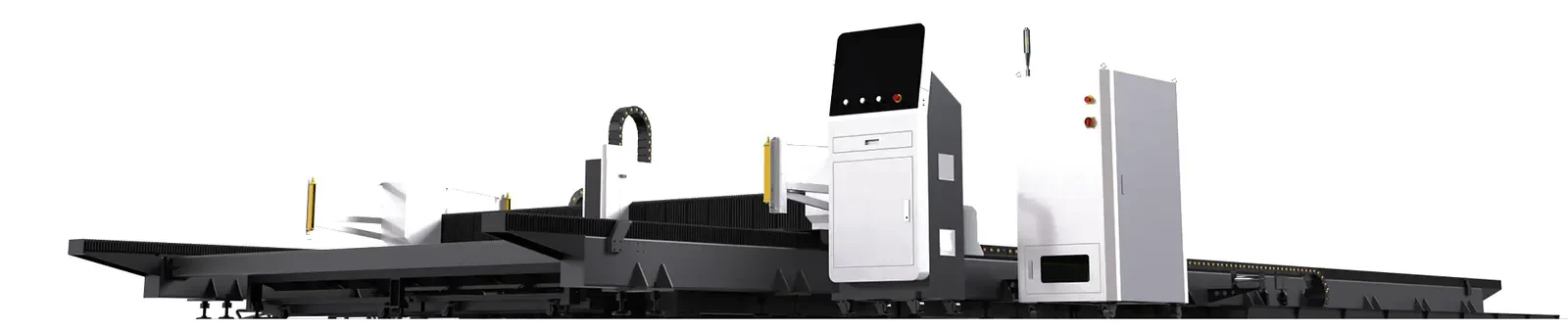
The table layout can help keep work moving. FORGE gives open-bed access, while TITAN uses shuttle tables to overlap loading and cutting. COLOSSUS offers large-format plate cutting for jobs that need a longer bed.
Plan the process around your shop
Fiber lasers need no laser gas in the beam path, but metal cutting uses assist gas at the cut. Plan gas, cooling, extraction and stock handling with the machine. Waterjet and plasma have their own process supplies and cleanup needs.
Share your part drawings, materials, thicknesses and target output. An engineer can help match a laser bed, power and loading setup to that work. Compare the whole job, including edge prep and handling.